
When most homeowners think about tree stress, they picture drought, scorching temperatures, and dry soil. But in South Florida, one of the biggest threats to tree health often arrives during the rainy season.
From late spring through early fall, heavy downpours, high humidity, and saturated soil create the perfect environment for fungal diseases, root problems, and weakened tree structures. While your landscape may appear lush after weeks of rain, your trees could actually be under significant stress.
At Anytown Tree, we help homeowners throughout South Florida identify the hidden effects of excessive rainfall before they turn into expensive or hazardous problems.
Too Much Water Can Be Harmful
Trees need oxygen just as much as they need water. Healthy roots absorb both moisture and oxygen from the soil, but when the ground remains saturated for days or even weeks, those air pockets begin to disappear.
Without enough oxygen, roots struggle to function properly. As a result, trees have difficulty absorbing nutrients, producing new growth, and supporting healthy branches and leaves. Over time, prolonged saturation weakens the entire tree, making it more vulnerable to disease and storm damage.
Root Rot: A Silent Threat
One of the most common problems we see during South Florida’s rainy season is root rot. This condition develops when fungi thrive in consistently wet soil and begin attacking a tree’s root system.
Because the damage occurs underground, homeowners often don’t realize there’s a problem until the tree begins showing visible signs of decline. Leaves may yellow, branches can start dying back, and the canopy may become noticeably thinner. In severe cases, the root system becomes too weak to properly anchor the tree, increasing the risk of failure during storms.
Early diagnosis is critical because root rot is much easier to manage before extensive damage has occurred.
Fungi and Mushroom Growth
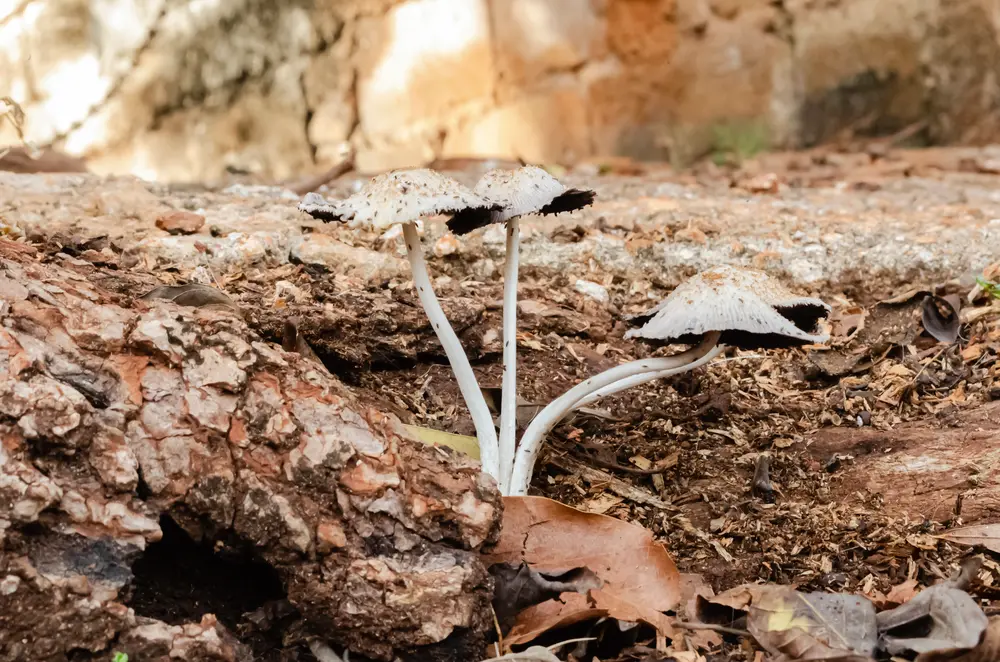
Warm temperatures and abundant moisture create ideal conditions for fungi to flourish throughout South Florida. While mushrooms growing near the base of a tree may seem harmless, they often indicate that decaying organic matter—or worse, decaying roots—is present below the surface.
Not every mushroom signals a serious problem, but fungal growth should never be ignored. Some fungi are harmless decomposers, while others can be indicators of internal decay that compromises a tree’s structural integrity.
If you notice mushrooms repeatedly appearing around the base of a tree, it’s a good idea to schedule a professional inspection.
Increased Risk of Limb Failure
Rain alone rarely causes trees to fail. Instead, it’s the combination of saturated soil, weakened roots, and strong winds that creates dangerous conditions.
When roots lose their ability to firmly anchor a tree, large limbs and even entire trees become more susceptible to falling during South Florida’s frequent thunderstorms. Trees with internal decay or previously damaged branches are especially vulnerable.
Regular pruning removes weak, dead, or poorly attached limbs before severe weather arrives, helping reduce the risk of property damage and improving the overall health of the tree.
Signs Your Tree May Be Struggling
Many tree problems develop gradually, making early detection essential. Watch for:
Yellowing leaves, thinning canopies, mushrooms around the base of the tree, or leaves dropping outside their normal seasonal cycle.
Dead branches, leaning trees, cracked limbs, soft or decaying wood, or standing water around the root zone long after rainfall has ended.
If you notice any of these warning signs, it’s best to have your trees evaluated before the next storm arrives.
When Should You Call an Arborist?
Many homeowners wait until a tree is obviously dying or has already suffered storm damage before seeking professional help. Unfortunately, by that point, treatment options may be limited.
Scheduling an inspection is recommended if your tree has visible fungal growth, dead or hanging branches, a noticeable lean, exposed roots, or signs of decline that don’t improve after the rainy season. An arborist can evaluate the tree’s health, identify hidden structural issues, and recommend the best course of action before the problem becomes more serious.
Routine inspections are especially valuable for mature trees located near homes, driveways, fences, or power lines, where falling limbs could create safety hazards.
Protect Your Trees Through Every Season
South Florida’s rainy season may help lawns and gardens flourish, but it also creates conditions that can quietly weaken even healthy trees. Regular inspections, preventative pruning, and early intervention are the best ways to keep your landscape safe, attractive, and thriving throughout the year.
At Anytown Tree, we provide expert tree care services designed specifically for South Florida’s unique climate. Whether you’re concerned about root rot, fungal growth, storm preparation, or the overall health of your trees, our experienced team is here to help.
If you’ve noticed mushrooms near your trees, excessive leaning, dead branches, or other signs of decline, don’t wait for the next storm to expose a larger problem. Contact Anytown Tree today to schedule a professional tree inspection and keep your trees healthy through every season.