
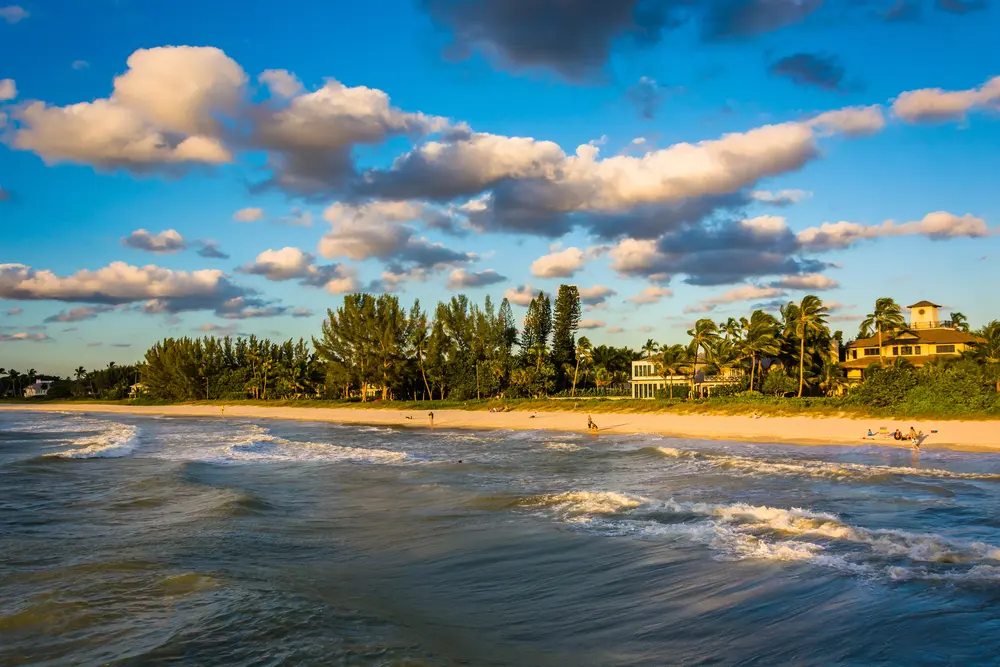
Summer in Florida brings intense heat, heavy humidity, rapid growth cycles, and the constant threat of afternoon storms. While your trees may look strong and resilient, this season can place significant stress on them—often in ways that aren’t immediately visible.
At Anytown Tree, we help homeowners across Southwest Florida keep their trees healthy, safe, and storm-ready year-round. Understanding what to watch for during the summer months can help you prevent long-term damage and protect both your landscape and your property.
Here are the key signs and conditions every homeowner should look out for this summer.
1. Signs of Heat and Drought Stress
Even in humid climates, trees can suffer from heat stress—especially during extended dry periods or inconsistent rainfall. When trees don’t receive enough deep watering, they begin to show warning signs.
Look for:
Wilting or drooping leaves during the hottest part of the day
Leaf scorch (brown or crispy edges)
Premature leaf drop
Thinning canopy or sparse foliage
Young and newly planted trees are especially vulnerable. Deep, infrequent watering at the drip line is more effective than shallow, frequent watering.
2. Increased Pest and Disease Activity
Warm weather accelerates insect activity and fungal growth, making summer a peak season for tree pests and diseases in Florida.
Common signs include:
Holes in leaves or bark
Sticky residue (honeydew) on leaves or nearby surfaces
Unusual leaf discoloration or spotting
Fungus growth on trunk or branches
Sudden branch dieback
Left untreated, pests and disease can spread quickly and compromise the structural integrity of your trees. Early detection is key to preventing long-term damage or removal.
3. Storm and Wind Damage
Summer thunderstorms and tropical systems can cause sudden and sometimes severe tree damage. Even healthy trees can become hazardous if they have weak or unbalanced structure.
Watch for:
Cracked or hanging limbs
Leaning trees or shifted root systems
Broken branches caught in the canopy
Damage near power lines or structures
It’s important not to wait until after a major storm to assess tree stability. Preventative pruning and structural evaluation can significantly reduce the risk of failure during high winds.
4. Overgrowth and Unbalanced Canopies
Summer is a period of rapid growth for many tree species, which can quickly lead to overcrowded or uneven canopies. This can create both safety and health concerns.
Signs of overgrowth and unbalanced canopies:
Branches growing too close to roofs or structures
Excessively dense foliage restricting airflow
Heavy limbs extending far beyond the natural canopy shape
Increased shading that impacts surrounding plants or turf
Proper pruning improves airflow, reduces wind resistance, and helps maintain a strong, balanced structure.
5. Soil and Drainage Issues
Summer storms can quickly expose problems with soil compaction and drainage around your trees. Poor drainage can lead to root stress and long-term decline.
What to look for:
Standing water around the base of trees
Exposed or lifting roots
Soil erosion after heavy rain
Mushy or overly saturated ground
Healthy root systems are essential for long-term tree stability, especially during hurricane season.
Protect Your Trees Before Small Issues Become Big Problems
Summer is one of the most important times of year for proactive tree care. Regular inspections and timely maintenance can help prevent hazards, preserve tree health, and protect your property from storm-related damage.
At Anytown Tree, our certified team provides professional tree assessments, pruning, and removal services designed to keep your landscape safe and thriving throughout the summer season.
If your trees haven’t been evaluated recently, now is the ideal time to schedule an inspection and ensure your property is prepared for whatever summer brings.