
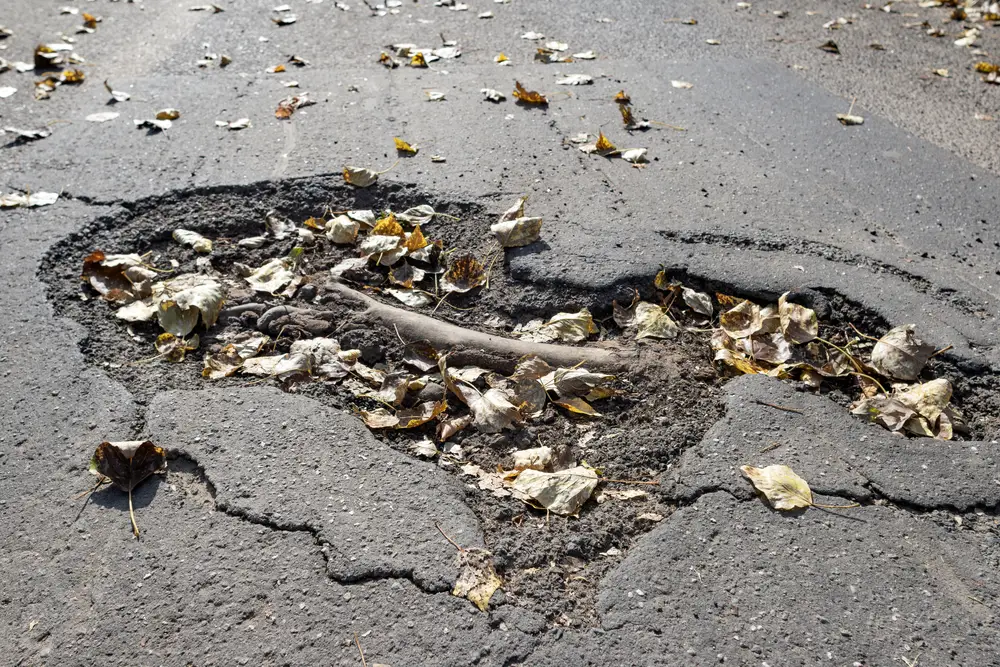
Tree Service Experts in Naples, FL, Explain How Roots Can Impact Your Home.
Tips for Avoiding Tree Root Damage to Your Home
In Naples, it’s pretty common to see a beautiful live oak or palm tree just a few feet from a driveway, sidewalk, or pool deck. Most of the time, they coexist without a problem. But sometimes, the same roots that keep your tree standing can quietly push up concrete, crack pavers, or even interfere with plumbing and irrigation lines.
When that happens, it’s easy to wonder:
-
Are the roots actually causing the damage?
-
Is my foundation or pool deck at risk?
-
Do I have to remove the tree, or are there other options?
The good news is you don’t have to guess. Understanding how roots behave in Southwest Florida and when to call a professional tree service company can help you protect both your landscape and your property.
How Tree Roots Behave in Southwest Florida Yards
In our sandy, well-drained soils, tree roots tend to spread rather than grow deep. They stay close to the surface, spreading far beyond the canopy in search of water and nutrients. Add in irrigation systems, rain patterns, and compacted soil from construction, and you have a recipe for roots and hard surfaces competing for the same space.
Common patterns we see in Naples include:
-
Roots following moist zones along irrigation lines and downspouts.
-
Shallow root systems flaring just under driveways or walkways.
-
Trees planted too close to slabs, pool decks, or seawalls trying to widen their base for stability.
None of this means the tree is “bad.” It simply means the way the property was built and the way the tree naturally grows are now colliding in a tight space. That’s where thoughtful tree care and planning come in.
Why Driveways, Sidewalks, and Pool Decks Start to Shift
Concrete and pavers don’t usually fail overnight. Small changes appear first, then gradually become more noticeable. Around trees, those changes often show up as:
-
One corner of a slab is sitting higher than the others.
-
Pavers that keep lifting or separating near a trunk.
-
Hairline cracks that keep widening near root flares.
-
Edges of pool decks that feel uneven or slightly tilted.
In many cases, shallow roots are thickening just beneath the surface and pressing against the slab from below. In Naples, where many driveways and walkways are laid over relatively thin base material, it doesn’t take much steady pressure to lift or crack the surface.
A certified arborist can look at the root flare, soil conditions, and hardscape layout to help you understand whether the tree is contributing to the problem and what your options are before things get worse.
Slab Foundations, Patios, and Naples Soil Conditions
Most homes in Naples sit on slab foundations, not basements. That means your home and your trees share the same shallow soil space. While mature roots rarely “break through” a sound foundation, they can still indirectly cause trouble.
Here’s how that happens:
-
Moisture changes: Roots and irrigation can create wetter zones in some areas and drier zones in others. That difference can cause soil to settle unevenly around the slab or patio.
-
Compaction from construction: If the soil around the home was heavily compacted during building, roots often run right along the edge of the slab where there’s just enough space and moisture.
-
Drainage shifts: Over time, roots, mulch, and grading changes can alter how water flows around the house, leading to puddling or erosion in areas that stress both the foundation and the tree.
These are slow changes, but they’re easier and less expensive to manage when caught early, before you see larger cracks or doors and windows starting to stick.
The Hidden Piece: Roots, Irrigation, and Sewer Lines
In Naples, plumbing and irrigation are just as important in the “roots vs. structure” story as concrete. Older sewer laterals, septic systems, and extensive irrigation networks create constant moisture pathways that attract fine feeder roots.
You may be dealing with root-related pipe issues if you notice:
-
The same drain or toilet clogs repeatedly.
-
Multiple fixtures are backing up at once.
-
Wet, unusually green patches of grass over a line.
-
Frequent irrigation leaks or broken heads in the same area.
Roots don’t typically break a healthy pipe on their own, but they will exploit tiny cracks, loose joints, or old materials. A plumber or irrigation specialist can identify pipe damage; a tree service or arborist can help you figure out which trees are involved and what root management techniques make sense so you’re not paying for the same repair over and over.
Signs It’s Time To Take Root Problems Seriously
Not every crack or lifted paver means you’re in danger. But there are certain patterns that are worth paying attention to and discussing with a professional tree service company, such as:
-
Driveways or walks that are noticeably higher on the tree side than the opposite edge.
-
Trip hazards that keep getting worse year after year.
-
A tree that’s tilting or showing exposed roots while nearby slabs shift.
-
Ongoing plumbing or irrigation issues in the same area as a mature tree.
-
A tree that looks stressed—thinning canopy, dead branches, or signs of tree disease—combined with hardscape or soil problems.
The goal isn’t to panic. It’s to catch developing issues while you still have options, rather than waiting until a storm, failure, or a major break forces your hand.
How an Arborist Helps You Build a Plan
When roots, structures, and utilities collide, randomly cutting roots or ripping out sections of concrete is rarely a good idea. Removing too many roots, or the wrong ones, can destabilize a tree or severely impact tree health.
An experienced arborist in Naples will usually start with a site assessment that looks at:
-
The species, size, and condition of the tree.
-
Root flare visibility and any surface root patterns.
-
Hardscape cracking, lifting, or heaving near the tree.
-
Drainage patterns, irrigation layout, and soil conditions.
From there, they can outline options that might include:
-
Selective root pruning in specific zones to relieve pressure while preserving stability.
-
Coordinating with concrete or paver contractors to adjust layouts or materials around critical roots.
-
Installing root barriers in conjunction with new work to guide future growth away from slabs and lines.
-
Improving plant health care with mulch, watering, and tree pruning, so the tree is healthier and less likely to chase water in problem areas.
In some cases, if a tree is already in serious decline or causing repeated, expensive damage, thoughtful tree removal and replanting with a better-suited species or placement may be the safest choice. An arborist can help you make that call based on risk, not guesswork.
Planning Smarter Tree Placement for the Future
If you’re building a new home, redoing a driveway, or thinking about adding more trees for shade and curb appeal, this is the perfect time to plan ahead. A little strategy now can prevent a lot of headaches later.
Things to think about include:
-
Mature size: How wide will the root system and canopy realistically get?
-
Distance from structures: Giving trees more room from driveways, slabs, and seawalls reduces future conflicts.
-
Species choice: Some trees have more aggressive surface roots, while others are easier to live with near hardscape.
-
Long-term care: Regular tree trimming, tree health care, and monitoring keep trees safer and less likely to fail or decay in ways that affect your property.
A local tree service that understands Naples conditions can help you select species and placements that fit your yard, your goals, and your hardscape, not just what looks good on planting day.
About Any Town Tree
Any Town Tree provides expert, locally informed tree care for homeowners throughout Naples, FL. Their team focuses on practical, honest guidance, helping homeowners balance the health and beauty of their trees with the realities of driveways, foundations, irrigation, and daily life on the Gulf Coast.
Whether you’re concerned about roots lifting your concrete, worried about a problem tree near your home, or simply want a professional tree risk assessment before your next project, Any Town Tree can help!